
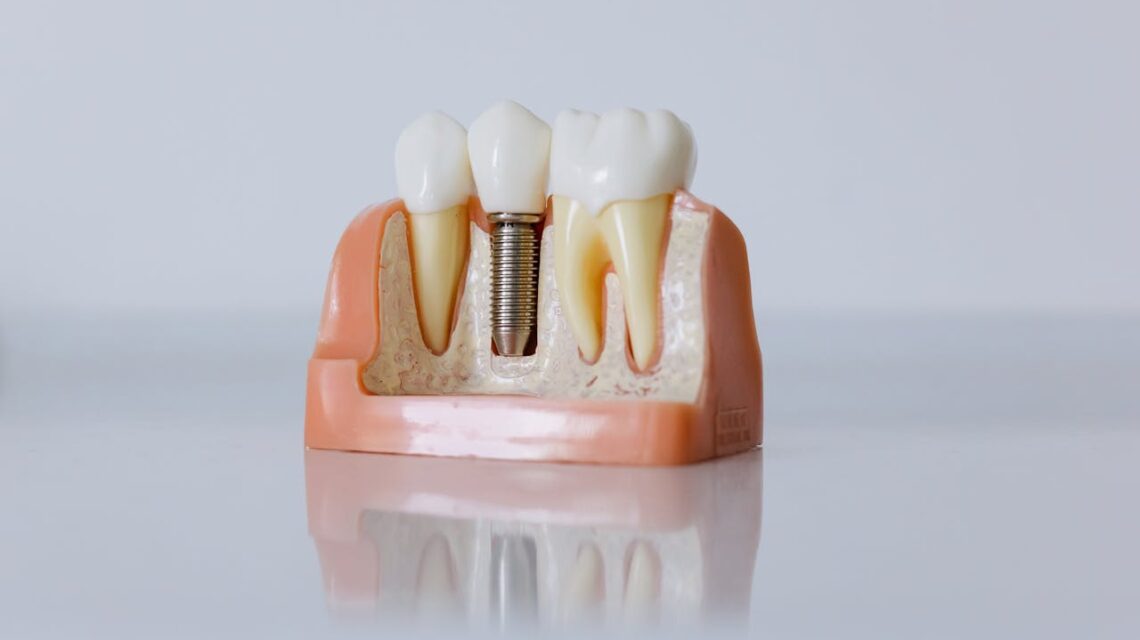
Delaying a dental implant after losing a tooth can lead to gradual changes in your mouth, including bone loss, shifting teeth, and bite imbalance. These changes may not be obvious at first but can make future treatment more complex. Understanding what happens over time helps patients make informed decisions about when to replace a missing tooth.
Losing a tooth does not always feel urgent. Once the initial discomfort settles, it is common to adapt to the gap and continue with daily life. Many patients delay treatment because there is no pain, or because they feel unsure about what comes next.
After a tooth is removed through a planned dental extraction due to infection or damage, the next step is often deciding whether and when to replace it. What is less obvious is how the mouth begins to adjust over time. These changes can be gradual, often happening without clear symptoms, but they can influence how straightforward future treatment will be.
Why a Missing Tooth Does Not Stay “Stable”
A natural tooth plays an active role in maintaining bone, alignment, and chewing balance. When it is no longer present, the surrounding structures begin to respond.
The jawbone in that area is no longer stimulated in the same way. Adjacent teeth can slowly move into the space. The opposing tooth may also shift because it no longer has contact during chewing.
These changes do not happen overnight, but they are continuous. Over time, the original space that could have supported a straightforward replacement may no longer be the same.
Early Changes Patients Often Do Not Notice
In the first few months after losing a tooth, many patients feel that everything is functioning normally. Eating may feel slightly different, but it is usually manageable.
Behind the scenes, subtle changes may begin:
- The bone in the missing tooth area can start to reduce in volume
- Nearby teeth may tilt slightly toward the gap
- Food may become more difficult to clean from certain areas
- Chewing may shift more to one side
As these changes develop, regular check-ups through preventative dental care focused on early detection and monitoring can help identify issues before they progress further.
How Delaying Can Affect Future Treatment Options
One of the most important considerations is how delay can influence the type of treatment required later.
When bone reduces in volume, there may be less support available for a future implant. In some cases, additional procedures such as bone grafting may be recommended to rebuild the area before placement.
Shifting teeth can also reduce the available space. This may mean that the position of surrounding teeth needs to be corrected before an implant can be placed in the ideal position.
For patients exploring options like dental implants Tamworth, early assessment can help determine whether the current conditions are suitable or if additional steps may be needed.
Bite Changes and Uneven Pressure
The way your teeth come together when you bite plays a significant role in long-term oral health.
When one area is no longer contributing to chewing, other teeth may take on more load. Over time, this can lead to uneven wear or sensitivity in certain areas.
Some patients notice that they begin favouring one side of the mouth without realising it. This can place additional stress on specific teeth and muscles, which may contribute to discomfort or fatigue when eating.
The Impact on Daily Function
Even when there is no pain, a missing tooth can influence how comfortably you eat and speak.
Patients often describe:
- Avoiding certain foods that are harder to chew
- Adjusting how they bite into food
- Feeling less confident eating in social situations
These changes can become habits over time. While they may feel manageable, they can also reduce overall comfort and confidence.
Bone Changes Over Time
The jawbone relies on stimulation from natural teeth to maintain its structure. When a tooth is missing, that stimulation is reduced.
This can lead to gradual bone loss in the area. The longer the space remains without replacement, the more likely these changes may progress.
Bone changes can affect:
- The stability of future implants
- The appearance of the surrounding gum area
- The support for adjacent teeth
An early consultation at a trusted Tamworth dental clinic can help assess whether the bone is still suitable for treatment or if monitoring is appropriate.
When Patients Commonly Delay Treatment
From a clinical perspective, delay is rarely about a single factor. It is usually a combination of hesitation, uncertainty, and timing.
Common reasons include:
- Feeling unsure about the procedure itself
- Wanting to wait until the area “feels normal” again
- Not experiencing immediate discomfort
- Needing time to consider different treatment options
For some patients, this decision begins earlier when comparing saving a tooth versus removal in situations like root canal treatment versus extraction.
When to Consider an Assessment
Even if you are not ready to proceed with treatment, having an assessment can provide clarity.
A dentist can evaluate:
- The condition of the bone in the area
- The position of surrounding teeth
- Whether the current space is suitable for an implant
- How timing may influence treatment complexity
A comprehensive oral health consultation to assess bone, bite, and tooth position can help determine the most appropriate timing for treatment.
For patients searching for dental implants near me, this step is often the most helpful way to move from uncertainty to informed decision-making.
Monitoring vs Acting Early
There is no one-size-fits-all timeline. Some patients may choose to monitor the area, while others prefer to proceed earlier to maintain existing conditions.
The key difference is that early action often allows for more straightforward treatment planning, while longer delays may introduce additional variables that need to be managed.
A structured approach, guided by clinical assessment, helps ensure that decisions are based on current oral health rather than assumptions.
Related Considerations in Restorative Care
In some cases, patients may already be exploring other ways to restore function, such as crowns or bridges. Understanding how these options compare can help guide decisions around timing and long-term outcomes.
Broader restorative dentistry options for repairing and replacing teeth may address certain situations, but may not prevent bone changes in the same way as an implant.
For those beginning their journey, visiting a trusted dentist Tamworth can help clarify which approach best suits their situation.
FAQs About Dental Implants
Is it a problem if I leave a missing tooth for a long time?
It may not cause immediate discomfort, but changes can occur gradually. Bone loss, shifting teeth, and bite changes can develop over time, which may influence future treatment options.
Can I still get a dental implant years after losing a tooth?
In many cases, yes. However, additional procedures may be recommended depending on bone levels and tooth position. An assessment helps determine what is possible.
How do I know if the area is changing?
Changes are often subtle and not always noticeable without examination. Regular dental check-ups allow these changes to be identified early.
Does delaying treatment make the procedure more difficult?
It can. As the surrounding structures adapt, treatment planning may become more complex compared to earlier intervention.
Should I wait until it starts causing pain?
Pain is not always an early indicator. Many changes happen without discomfort, so it is better to base decisions on assessment rather than symptoms alone.
Disclaimer: The information in this article is for general educational purposes only and does not replace professional dental advice. Every patient’s situation is different. If you have a missing tooth or are considering treatment, consult a qualified dental professional for an individual assessment and appropriate care.