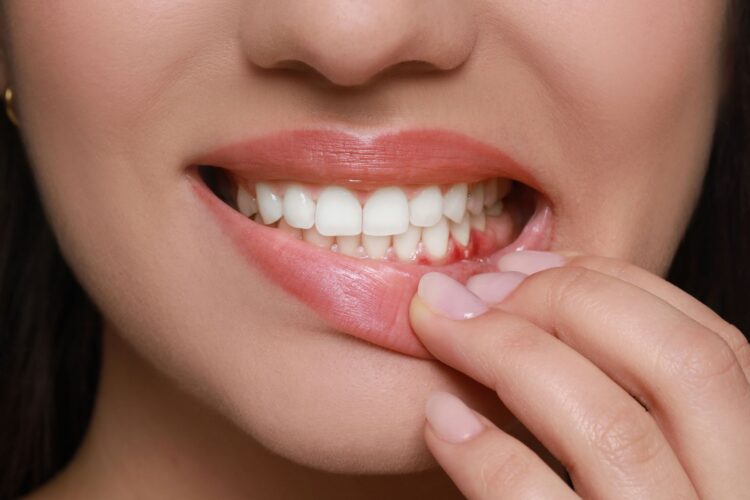
Are your gums bleeding when you brush? Learn common signs of gum disease, the difference between gingivitis and periodontitis, and when to see a dentist.
read more
Dentists generally consider whether a natural tooth can be retained before recommending removal. Learn when tooth extraction may be necessary, how the procedure works and what recovery can involve.
read more
Dentists generally consider whether a natural tooth can be retained before recommending removal. Learn when tooth extraction may be necessary, how the procedure works and what recovery can involve.
read more
Your child’s first dental visit may be earlier than you expect. Learn when to arrange their first check-up, what the dentist may assess and how to help your child feel more comfortable.
read more
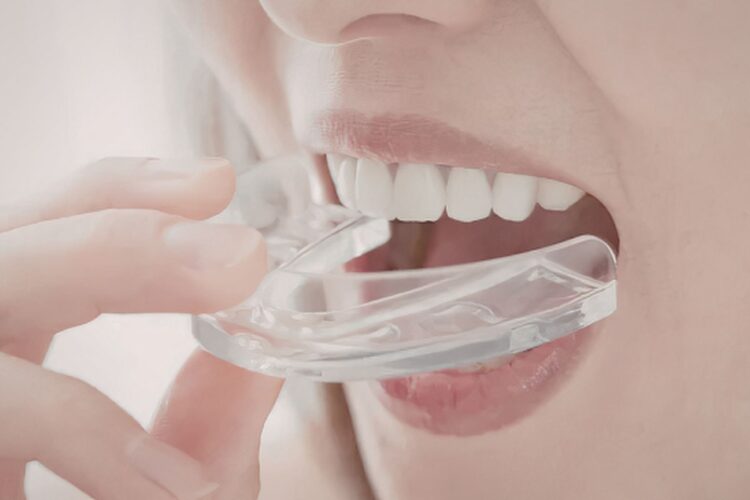
A dental splint is a removable appliance fitted over the upper or lower teeth. It may be recommended to protect tooth surfaces and dental restorations from the effects of grinding or clenching. A splint does not necessarily stop bruxism, so the underlying symptoms and contributing factors should also be assessed.
read more
Not all sports mouthguards offer the same fit or level of protection. Learn how custom-fitted and store-bought mouthguards differ, what to consider when choosing one and when an existing mouthguard may need to be replaced.
read more
You should consider booking a dental appointment if you have tooth pain, bleeding gums, sensitivity, a chipped tooth, swelling, bad breath, or changes in chewing. Dental visits are also important when nothing hurts, as regular check-ups can help identify issues early and support long-term oral health.
read more
Choosing the right dentist in Tamworth involves more than finding the nearest clinic. Patients should consider preventative care, emergency support, available services, communication style, and long-term treatment options. A regular dental provider can help monitor oral health changes and support ongoing care.
read more
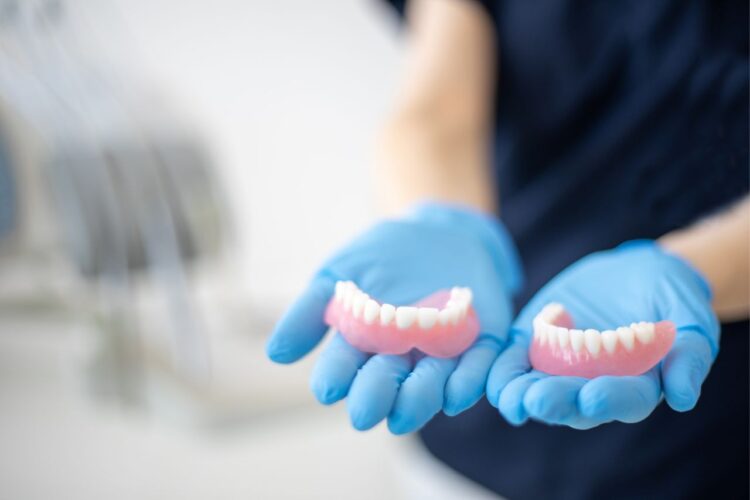
Eating with new dentures often requires an adjustment period, especially when handling hard, sticky, or uneven foods. Patients commonly notice difficulties with chewing pressure, food movement, and denture stability during meals. Understanding which foods tend to cause problems early on can help reduce frustration while the mouth, muscles, and dentures gradually adapt together.
read more
Lower dentures often feel harder to adapt to because the lower jaw has less surface area for support and more movement from the tongue and cheeks. This can affect chewing, speech, and stability during the early adjustment period. Understanding why this happens can help patients set realistic expectations and recognise when follow-up adjustments may improve comfort and fit.
read more