
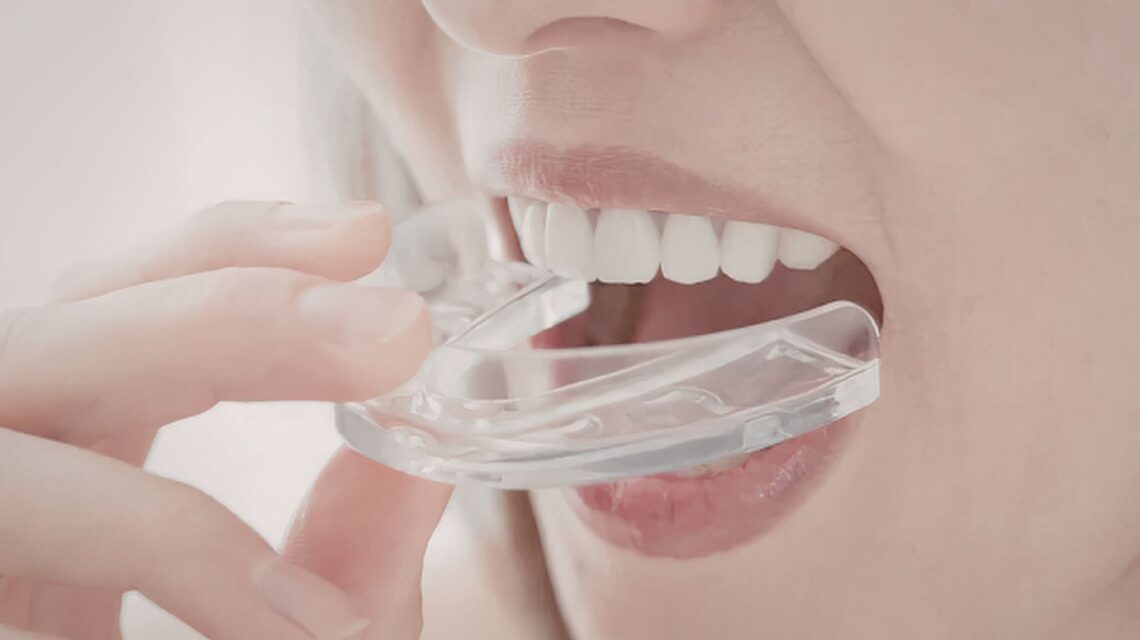
A mouthguard is an important piece of protective equipment for people participating in contact or collision sports. It creates a barrier over the teeth and may reduce the risk or severity of injuries involving the teeth, gums, lips and other oral tissues.
However, not every mouthguard is made or fitted in the same way.
Store-bought products are widely available and may appear to offer a quick solution before a sporting season begins. Custom mouthguards are individually made by a dental professional to match the shape of the wearer’s teeth and mouth.
Understanding the differences can help athletes and parents make an informed decision. Patients considering custom mouthguards in Tamworth can also speak with a dentist about the type of mouthguard suited to their age, dentition and chosen sport.
What Is a Custom Sports Mouthguard?
A custom mouthguard is made specifically for an individual patient. The process generally begins with a dental examination and an impression or digital record of the teeth.
This information is used to create a mouthguard that follows the individual contours of the teeth and gums. Its design may be adjusted according to factors such as:
- The patient’s age
- The sport being played
- The expected level of contact
- Whether adult teeth are still emerging
- Existing dental restorations
- Orthodontic appliances
- The shape of the patient’s bite
Because it is individually designed, a custom mouthguard should sit securely over the teeth without requiring the wearer to continually bite down to hold it in place.
The dentist can also check the mouthguard’s fit and provide instructions on wearing, cleaning and storing it.
What Types of Store-Bought Mouthguards Are Available?
Store-bought mouthguards are generally available in two main forms.
A stock mouthguard has a predetermined size and shape. It is worn without being individually moulded to the teeth, although some products may allow minor adjustments.
A boil-and-bite mouthguard is softened in hot water and then shaped around the teeth at home. The final result depends on the product, the wearer’s mouth and how accurately the fitting instructions are followed.
These mouthguards may be inexpensive and immediately accessible. However, their standardised construction means the fit, thickness and retention can vary considerably between users.
A poorly fitting product may feel bulky, move during activity or require the athlete to clench their teeth to keep it in position.
How Do Custom and Store-Bought Mouthguards Differ?
The main differences involve fit, retention, comfort, coverage and the ability to accommodate individual dental needs.
Fit and Retention
A mouthguard should remain in place during movement and physical contact.
Custom mouthguards are shaped around the individual teeth, which may provide more secure retention. This can be especially important when an athlete is running, communicating with teammates or breathing heavily.
A store-bought mouthguard may not closely match the wearer’s tooth arrangement. If it shifts easily, the athlete may need to bite down to keep it in position.
A mouthguard that is uncomfortable or difficult to retain may also be less likely to be worn consistently during both training and competition.
Comfort, Breathing and Communication
Sporting activities often require athletes to breathe through their mouths and communicate quickly.
A mouthguard that is excessively bulky may affect comfort or make speech feel more difficult. A custom design can be shaped to fit the patient’s mouth while maintaining an appropriate protective thickness.
Individual experiences vary, and no mouthguard will feel completely unnoticeable. However, a secure fit may make it easier to speak and breathe without needing to continually reposition the appliance.
Protection for Individual Dental Needs
Teeth and bites differ between patients. Children and teenagers may also be losing primary teeth or waiting for adult teeth to emerge.
A custom mouthguard can be planned with these factors in mind. A dentist may also need to consider:
- Braces or orthodontic appliances
- Crowns and bridges
- Missing teeth
- Recently erupted teeth
- Previous dental injuries
- Ongoing dental treatment
Patients with existing crowns or bridges can learn more about how these restorations are used through Centrepoint Dental Care’s guide to crowns and bridges in Tamworth.
A dentist can advise whether an existing restoration or appliance affects the design or fitting of a mouthguard.
Which Sports May Require a Mouthguard?
Mouthguards are commonly associated with high-contact sports, but dental injuries can occur during a wide range of recreational activities.
A mouthguard may be considered for sports such as:
- Rugby league
- Rugby union
- Australian rules football
- Hockey
- Boxing and martial arts
- Basketball
- Netball
- Soccer
- Cricket
- Mountain biking
- Skateboarding
The likelihood and nature of contact differ between activities. Players should also consider the requirements of their school, sporting club, competition or governing body.
A mouthguard should generally be worn during training as well as formal games because accidental contact can happen in either setting.
Can a Mouthguard Prevent Every Dental Injury?
No mouthguard can guarantee that an injury will not occur.
The purpose of a mouthguard is to provide a protective barrier and help distribute forces that reach the mouth. The outcome of an impact can still depend on its direction, speed and severity, as well as the position of the mouth at the time.
A mouthguard should therefore be viewed as one part of a broader sporting safety approach that may also include appropriate coaching, supervision and protective equipment.
If a tooth is knocked out, displaced, fractured or otherwise injured, prompt assessment may be required. Centrepoint Dental Care provides emergency dental care in Tamworth for urgent dental concerns.
The article Emergency Dental Care: What to Do When You Need Urgent Treatment also explains some practical steps that may be appropriate following a dental emergency.
When Should a Sports Mouthguard Be Replaced?
A mouthguard does not necessarily last indefinitely.
Replacement may be required if it:
- Becomes cracked, split or distorted
- Develops rough or sharp edges
- Feels loose
- No longer covers the teeth properly
- Causes discomfort
- Has been significantly chewed
- Has been involved in a major impact
- No longer fits after dental treatment
Children and teenagers may need more frequent checks because their teeth and jaws continue to change as they grow.
Braces, new restorations, tooth loss and erupting adult teeth can also affect how the appliance fits. Bringing the mouthguard to a routine dental examination allows the dentist to inspect its condition and determine whether it remains suitable.
Regular appointments form part of the broader preventative dentistry services available in Tamworth.
How Should You Care for a Mouthguard?
Good care can help keep a mouthguard clean and reduce unnecessary damage.
After use:
- Rinse it with cool or lukewarm water
- Clean it according to the dentist’s instructions
- Allow it to dry before storage
- Keep it in a ventilated protective case
- Keep it away from pets
- Avoid leaving it in direct sunlight or a hot vehicle
- Check it regularly for changes in shape or texture
Hot water may distort some mouthguard materials, so patients should follow the cleaning instructions supplied with their appliance.
The storage case should also be cleaned regularly. The patient should avoid sharing their mouthguard with anyone else.
Choosing the Right Mouthguard in Tamworth
The right mouthguard depends on more than the name of the sport. Age, dental development, contact level, orthodontic appliances and previous injuries may all influence the design.
Store-bought mouthguards offer an accessible option, but their fit and retention can vary. A custom mouthguard is designed around the individual patient’s teeth and can be professionally checked before use.
Patients or parents considering a mouthguard can review the full range of dental services at Centrepoint Dental Care or book an appointment for personalised advice.
Frequently Asked Questions About Mouthguards
Is a custom mouthguard better than a boil-and-bite mouthguard?
A custom mouthguard is individually made to fit the patient’s teeth, while a boil-and-bite product is shaped at home. Customisation may provide improved fit, retention and comfort, but the most appropriate option depends on the patient and activity.
Should children wear mouthguards during training?
Dental injuries can occur during training as well as competition. Children participating in contact or collision sports should follow the safety requirements of their club, school or sporting organisation.
Can I wear an old mouthguard from last season?
It should be checked for damage and fit before being reused. This is particularly important for children and teenagers because their teeth and jaws may have changed.
Can a mouthguard be worn with braces?
Some mouthguards can be designed to accommodate braces and expected tooth movement. Patients undergoing orthodontic treatment should obtain individual advice from their dentist or orthodontic provider.
What should I do if my mouthguard feels loose?
Stop relying on it for protection until its fit can be assessed. A loose mouthguard may move during activity and may need adjustment or replacement.
Disclaimer: This article provides general information about sports mouthguards and is not a substitute for individual dental or medical advice. Mouthguard requirements and dental risks vary according to age, oral health, dental development and sporting activity. Speak with a qualified dental professional about the most appropriate protection for your circumstances.