
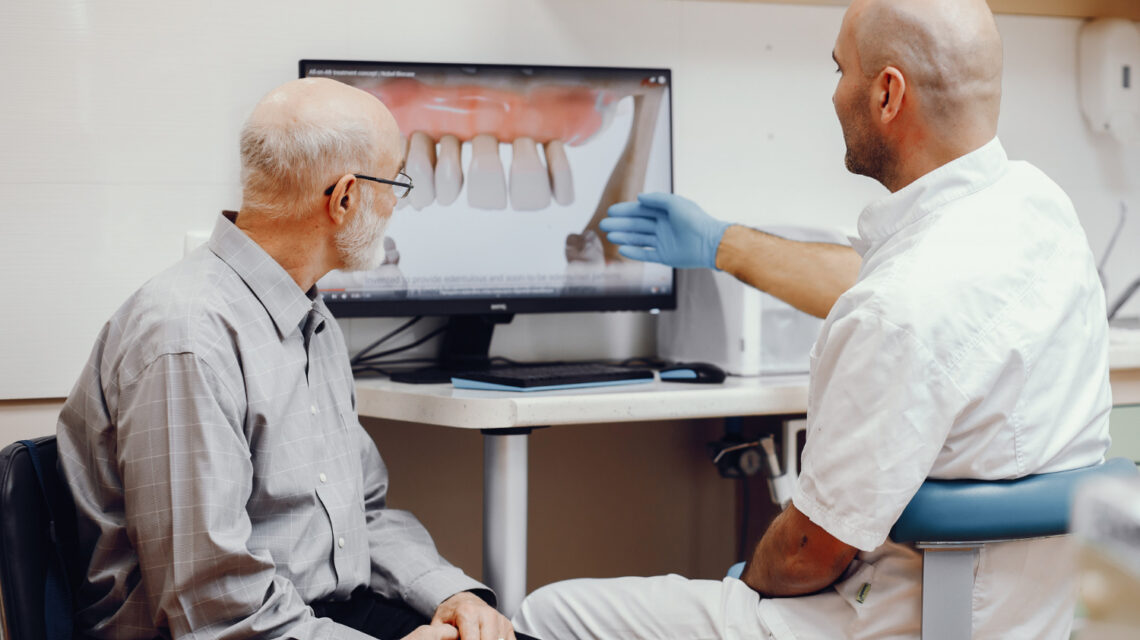
Dental implant anxiety is common, especially for patients unsure about pain, healing, or the procedure itself. Understanding what actually happens during treatment, what sensations are normal, and how dentists support anxious patients can make the process feel more manageable. Clear expectations and open communication often help reduce fear before and after the procedure.
For many people, the idea of a dental implant feels confronting long before they sit in the dental chair. It is not always about pain. Patients often describe feeling unsettled by the thought of the procedure itself, unsure how it will feel during healing, or worried about what could go wrong.
This type of anxiety is more common than most expect. It can range from mild hesitation to strong fear that delays treatment altogether. Understanding what typically happens can help bring structure to what often feels uncertain.
Where Dental Implant Anxiety Usually Comes From
Anxiety around dental implants is rarely based on a single concern. It is often a mix of thoughts that build over time.
Patients commonly worry about:
- Not knowing what will happen during the procedure
- Feeling out of control while treatment is taking place
- Sensations during healing, especially if they feel unfamiliar
- Whether something might go wrong later
Some people also feel uneasy about the idea of having something placed in the jaw, even when they understand the purpose clinically.
What Actually Happens on the Day of Treatment
One of the most effective ways to reduce anxiety is to understand how structured the process is.
Dental implant placement is planned in advance. The area is carefully assessed, and the procedure is carried out under local anaesthetic so the region is numb. Many patients are surprised by how controlled and methodical the process feels compared to what they imagined beforehand.
For those who feel particularly anxious, discussing options during an oral health consultation to plan treatment and address concerns can help set expectations before the day of the procedure.
How Patients Describe the First Few Days After Placement
Recovery experiences vary, but there are some common patterns.
Patients often report:
- A dull ache rather than sharp pain
- Mild swelling that peaks within a few days
- A sensation that feels “different” rather than painful
- Awareness of the area when chewing or touching nearby teeth
These sensations can feel unusual at first, especially for those expecting no feeling at all. In most cases, they settle as the area heals.
The “Weird Feeling” Many Patients Talk About
A common concern is whether the implant will feel unnatural.
In the early stages, some patients describe:
- A sense of pressure in the area
- Tingling or heightened awareness around the site
- Uncertainty about whether the feeling is normal
This stage can be unsettling, particularly for patients who are already anxious. Over time, as healing progresses and the surrounding tissues adapt, these sensations usually become less noticeable.
Fear of Something Going Wrong
One of the strongest themes patients express is concern about failure.
This often includes thoughts such as:
- “How will I know if it is healing properly?”
- “What if I miss a warning sign?”
- “Will I feel it if something is wrong?”
These questions are valid and are typically addressed through follow-up appointments. Dentists monitor healing and can identify changes that may not be obvious to patients.
Regular reviews and guidance through preventative dental care that supports long-term oral health play an important role in ensuring everything progresses as expected.
Feeling in Control During the Process
A common trigger for anxiety is the feeling of not being in control.
In practice, patients are encouraged to communicate throughout treatment. This may include:
- Agreeing on signals to pause during the procedure
- Asking questions at each stage
- Understanding what is happening before it occurs
For many, this level of communication changes the experience significantly, making it feel more manageable.
Emotional Factors That Delay Treatment
Some patients delay implants not because they doubt the outcome, but because the process feels overwhelming.
This can include:
- Replaying worst-case scenarios
- Comparing different opinions or experiences
- Feeling unsure about when the “right time” is
In these situations, speaking with a dentist Tamworth can help separate assumptions from what typically happens in clinical care.
What Helps Reduce Anxiety Before Treatment
There is no single approach that works for everyone, but certain strategies are commonly helpful:
- Clear explanation of each stage of treatment
- Understanding expected sensations during healing
- Knowing when and how to seek advice if something feels unusual
- Planning appointments at a pace that feels manageable
Patients who feel informed tend to feel more confident in their decisions.
How Dental Implants Fit Into Long-Term Care
Dental implants are designed to restore function and stability where a tooth is missing. For patients who have already experienced changes after tooth loss, this can be an important step in maintaining oral health.
For those considering options likedental implants near me, understanding both the procedure and the recovery process helps create realistic expectations.
A detailed discussion aboutdental implants Tamworth can also clarify how treatment is tailored to individual needs, including considerations for anxious patients.
FAQs
Is it normal to feel anxious about dental implants?
Yes. Many patients feel uncertain or uneasy before treatment, especially if they have not experienced similar procedures before.
Will I feel pain during the procedure?
The area is numbed during treatment. Most patients report feeling pressure rather than pain, although experiences can vary.
How long does the uncomfortable feeling last after the procedure?
Mild discomfort and unusual sensations are typically more noticeable in the first few days and gradually settle as healing progresses.
What if I cannot stop worrying about something going wrong?
It is helpful to discuss specific concerns with your dentist. Follow-up appointments are designed to monitor healing and address any questions.
Can anxiety affect my decision to go ahead with treatment?
Yes. Anxiety can lead to delays, even when treatment is recommended. Understanding the process and having clear communication can help patients feel more comfortable making decisions.
Disclaimer: The information in this article is for general educational purposes only and focuses on common patient concerns about dental implant anxiety. It does not replace personalised dental advice. If you feel anxious about treatment or have specific concerns about your oral health, consult a qualified dental professional for individual guidance and support.