
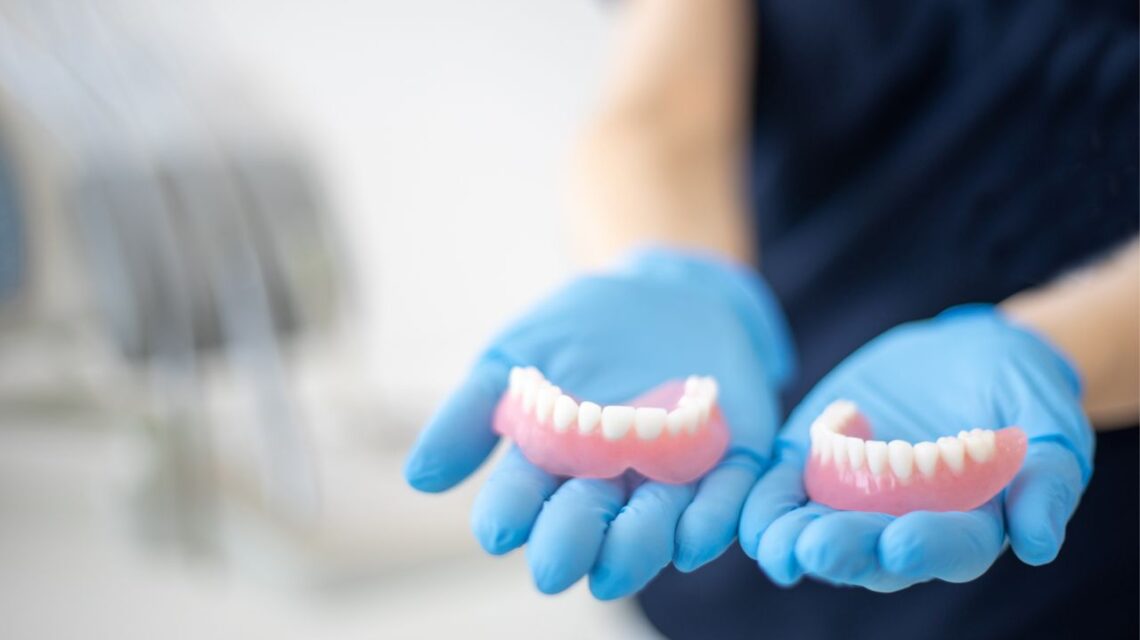
Patients who receive full dentures are sometimes surprised that the upper and lower sets do not feel the same. The upper denture may feel reasonably stable within the first few weeks, while the lower one continues to move during meals or speech. This difference is common and does not necessarily mean something has gone wrong.
The lower jaw behaves very differently from the upper jaw. Muscle movement, tongue position, saliva flow, gum shape, and bone support all influence how a lower denture feels day to day. For some people, the adjustment period is mostly about learning new chewing habits. Others notice rubbing, lifting, or clicking while speaking. These experiences are regularly discussed by denture wearers online, particularly by patients who were expecting both dentures to behave similarly from the beginning.
Understanding why lower dentures can be more challenging to adapt to helps set realistic expectations and makes follow-up care easier to navigate. Patients seeking guidance about long-term fit, comfort, and maintenance can also learn more about Tamworth dentures and how denture reviews are used to monitor changes over time.
The Lower Jaw Has Less Natural Suction
One of the biggest differences between upper and lower dentures is the amount of support available from surrounding structures.
Upper dentures sit against the palate, creating a broader surface area that helps form suction. The roof of the mouth provides a stable foundation that assists with retention during talking and eating. Lower dentures do not have this advantage. Instead, they sit on a narrower ridge of gum tissue with less coverage and far more movement around them.
The tongue also occupies much of the lower jaw space. Every time a person swallows, speaks, yawns, or eats, the tongue pushes against the denture in subtle ways. Even normal cheek and lip movement can shift the appliance slightly during daily activities.
This is one reason lower dentures are often described as:
- “Loose”
- “Floating”
- “Moving around”
- “Lifting when eating”
These descriptions are extremely common among first-time denture wearers and usually reflect normal adaptation challenges rather than immediate denture failure.
Bone Changes Can Affect Stability Faster in the Lower Jaw
After teeth are removed, the jawbone gradually changes shape over time. This process occurs in both arches, but bone loss often progresses more quickly in the lower jaw.
As the gum and bone contours change, a denture that initially felt secure may begin to shift more than before. Patients sometimes assume the appliance has suddenly stopped fitting correctly, when in reality the mouth itself has changed.
This explains why lower dentures frequently require:
- Relines
- Adjustments
- Pressure spot reviews
- Bite refinements
A denture is not a static appliance. The tissues underneath it continue adapting, particularly during the first several months after extractions. Patients who receive immediate dentures often notice the greatest amount of change because the gums are still healing underneath the appliance.
People searching for a denture clinic Tamworth are often concerned about whether movement means the denture has failed. In many cases, a clinical review simply identifies areas where the fit needs refinement as healing progresses.
Speaking Feels Different Because the Tongue Needs to Relearn Positioning
Speech changes are another major source of frustration during the adjustment period. Certain sounds require very precise tongue placement, and dentures alter the available space inside the mouth.
Patients commonly notice difficulties with:
- “S” sounds
- “F” sounds
- Fast speech
- Reading aloud
- Speaking for long periods
Lower dentures are especially affected because the tongue naturally interacts with them while forming words. Some people describe a temporary lisp, while others feel the denture lifts slightly during conversation.
This stage can feel discouraging socially, particularly for patients returning to work or attending family gatherings soon after treatment. However, speech often improves gradually as the muscles learn new movement patterns.
One practical recommendation often given during adjustment appointments is to practise speaking out loud at home. Reading slowly from a book, repeating difficult words, or speaking in front of a mirror can help retrain tongue positioning over time.
Eating Habits Usually Need to Change at First
Patients are often prepared for cosmetic changes after receiving dentures, but fewer expect the mechanical learning process involved in eating.
Lower dentures can become unstable when uneven chewing pressure is applied. Biting into firm foods with the front teeth may tip the appliance upward. Hard or sticky foods can also create sudden lifting forces during meals.
For this reason, clinicians often recommend:
- Smaller bites
- Slower chewing
- Even pressure on both sides of the mouth
- Softer foods during early adaptation
The goal is not permanent food restriction. Instead, the mouth and surrounding muscles need time to coordinate with the new appliance.
Patients who continue struggling with chewing after the initial adjustment period may benefit from reviewing whether:
- The bite alignment is balanced properly
- Pressure areas are present
- The denture border is overextended
- Additional retention options should be discussed
Centrepoint Dental also provides broader restorative dentistry options in Tamworth for patients comparing different ways to restore missing teeth and improve oral function.
Saliva Changes Can Make Dentures Feel Unstable
Another issue that surprises many denture wearers is the way saliva changes during adaptation.
Some patients notice excessive saliva production shortly after receiving dentures. Others feel their mouth becomes dry, particularly overnight. Both situations can influence how stable a lower denture feels.
A dry mouth may reduce natural adhesion between the denture and gums. Excess saliva can temporarily create a sensation that the appliance is slipping more than usual.
Medications, hydration levels, and medical conditions can also influence saliva flow. This is why oral health assessments remain important even after dentures are fitted. Ongoing reviews through an oral health consultation may help identify contributing factors affecting comfort and function.
Sore Spots Are Common During Early Adjustment
The gums underneath a lower denture are exposed to repeated movement and pressure throughout the day. As a result, localised sore areas may develop while the tissues adapt.
Patients often describe:
- Sharp rubbing points
- Tender chewing areas
- Ulcers near the edge of the denture
- Pain after prolonged wear
These symptoms are important to review promptly rather than “pushing through” discomfort. Small adjustments to the denture surface can sometimes relieve pressure before irritation worsens.
Because the lower jaw moves constantly during eating and speech, pressure areas may appear more frequently compared to upper dentures. Follow-up appointments are therefore considered a normal part of the adaptation process, especially in the early months.
Expectations Around Denture Adhesives
Some patients worry that needing adhesive means their dentures were made incorrectly. In reality, denture adhesives may occasionally be recommended to improve confidence and stability, particularly during periods of healing or anatomical change.
However, adhesives should not be used to mask a poorly fitting denture indefinitely. Persistent looseness, rubbing, or instability should still be clinically assessed.
The decision to use adhesive depends on factors such as:
- Jaw shape
- Saliva levels
- Muscle control
- Healing stage
- Existing bone support
This discussion is highly individual and is usually best addressed during a denture review appointment rather than through trial and error at home.
When Lower Dentures Continue Feeling Difficult Months Later
While adaptation takes time, persistent problems should not automatically be dismissed as something patients “just have to live with.”
Long-term instability may relate to:
- Significant bone resorption
- Bite imbalance
- Worn denture surfaces
- Changes in muscle control
- Underlying oral health concerns
For some patients, treatment planning may eventually include discussing implant-retained options for additional support. Others improve significantly after relines or fit adjustments alone.
What matters most is recognising that denture comfort is not determined in a single appointment. Ongoing monitoring helps identify whether the current appliance still matches the changing shape and function of the mouth.
Patients who have delayed care for years due to discomfort, embarrassment, or uncertainty may also find reassurance in learning how preventative dental care supports long-term oral health after tooth loss.
FAQs
Is it normal for lower dentures to move while eating?
Some movement is common, particularly during the early adjustment period. The lower jaw has less natural suction than the upper jaw, and chewing forces can temporarily shift the appliance. Persistent lifting or instability should still be reviewed by a dentist or prosthetist.
Why do lower dentures feel looser later in the day?
Muscle fatigue, saliva changes, and repeated chewing movements throughout the day can affect stability. Patients may also notice more movement as the gums and jawbone gradually change shape over time.
Can lower dentures improve with adjustments?
Yes. Denture reviews often involve refining pressure points, bite balance, or fit as the mouth changes. Multiple adjustments are common during the first months after receiving dentures.
Are lower dentures always harder to wear than upper dentures?
Not always, but many patients find lower dentures more challenging because the tongue and surrounding muscles create constant movement. Individual anatomy, healing patterns, and denture design also influence comfort and stability.
Disclaimer: This article is intended for general educational purposes only and does not replace personalised dental advice. Denture comfort, fit, and adaptation vary between individuals depending on oral anatomy, healing, and overall dental health. Always seek assessment from a qualified dental professional for advice specific to your situation.