
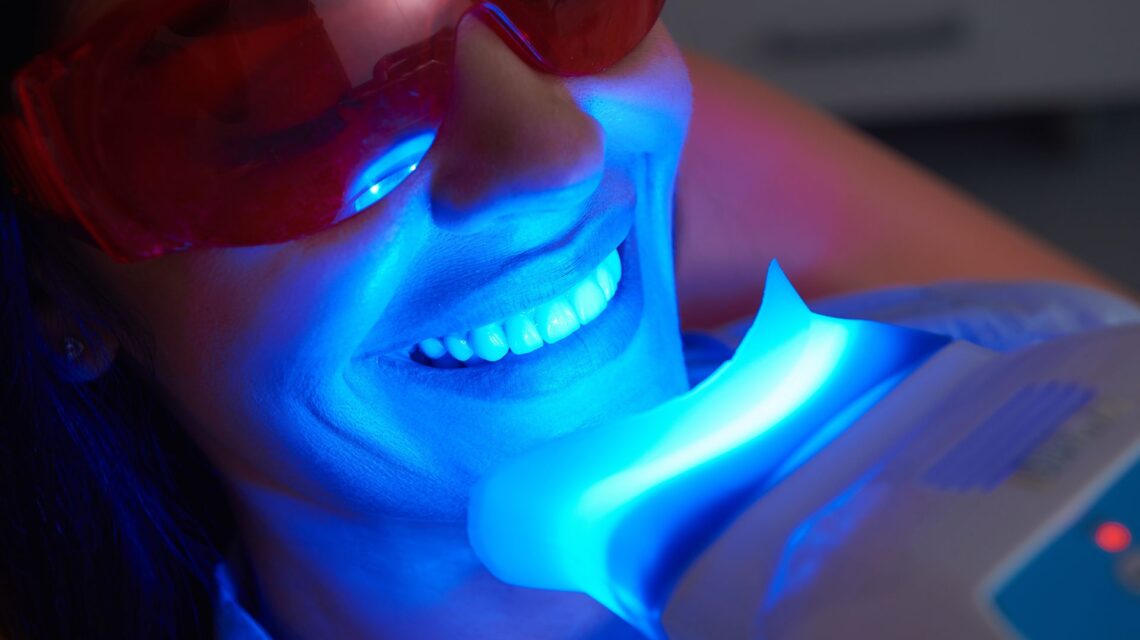
Teeth whitening is a common cosmetic dental treatment for people who want to reduce tooth discolouration. However, if you already experience sensitivity when drinking cold water, eating hot food or brushing your teeth, you may wonder whether whitening is appropriate for you.
Tooth sensitivity is a recognised side effect of whitening treatments, and people with existing sensitivity may face additional discomfort. Understanding what causes sensitivity, how whitening works and when to seek dental advice can help you make an informed decision.
At Centrepoint Dental Care, we offer professional teeth whitening services in Tamworth. This article explains the relationship between teeth whitening and sensitivity, including important precautions to consider before treatment.
Why Do Some People Have Sensitive Teeth?
Tooth sensitivity often occurs when the protective layers of a tooth become worn or compromised, exposing the underlying dentine.
Dentine contains microscopic channels that can transmit sensations towards the nerves inside the tooth. When exposed to certain stimuli, such as cold drinks or cool air, the tooth may experience a short, sharp pain.
Common causes of sensitivity include:
- Enamel erosion: Frequent exposure to acidic foods and drinks can contribute to enamel loss.
- Gum recession: Receding gums can expose sensitive root surfaces.
- Teeth grinding: Clenching or grinding may contribute to tooth wear and sensitivity.
- Tooth decay: Cavities can cause discomfort when eating or drinking.
- Cracked teeth: Cracks can expose sensitive tooth structures or cause pain when biting.
- Recent dental procedures: Some treatments may temporarily increase sensitivity.
Because these causes require different approaches, it’s important to identify the reason for your sensitivity before considering whitening.
How Does Teeth Whitening Work?
Professional teeth whitening generally uses hydrogen peroxide or carbamide peroxide to lighten the colour of natural teeth.
These whitening agents break down compounds responsible for certain types of tooth discolouration. Depending on the treatment, whitening gel may be applied in a dental clinic or through dentist-supervised take-home trays.
Whitening can help with some forms of discolouration, but results vary according to the cause of staining and the characteristics of your teeth.
It is also important to understand that whitening products do not lighten dental crowns, veneers or tooth-coloured fillings in the same way as natural teeth.
Can Teeth Whitening Make Sensitive Teeth Worse?
Yes. Teeth whitening can cause temporary sensitivity, including in people who do not normally experience sensitive teeth.
Whitening agents can temporarily affect how the nerves inside teeth respond to stimulation. Some patients notice discomfort when consuming cold drinks or breathing cool air.
The likelihood and severity of sensitivity can be influenced by the concentration of whitening agents, treatment duration and individual tooth characteristics.
Although whitening-related sensitivity is often temporary, it can sometimes be significant.
Importantly, Australian dental health guidance advises against teeth whitening for people with existing sensitive teeth without appropriate professional assessment. Whitening should not be used to mask or overlook an underlying dental problem.
What Should You Do Before Whitening Sensitive Teeth?
1. Book a Dental Assessment
Before whitening, your dentist should examine your teeth and gums to determine whether treatment is appropriate.
The assessment may identify problems such as enamel erosion, gum recession, decay or damaged restorations that could contribute to sensitivity.
If an underlying condition is present, your dentist may recommend treating it before considering cosmetic whitening.
2. Discuss Your Sensitivity History
Tell your dentist when your sensitivity occurs, how long it lasts and whether it affects one tooth or several teeth.
Sensitivity that continues after a hot or cold stimulus has been removed may require further investigation.
Sharing this information helps your dentist assess potential risks and decide whether whitening should be postponed or avoided.
3. Ask About Desensitising Toothpaste
Some toothpastes contain ingredients designed to reduce tooth sensitivity.
These products may work by reducing nerve responses or blocking exposed dentinal tubules. However, they do not treat every cause of sensitivity.
For example, desensitising toothpaste will not resolve sensitivity caused by untreated tooth decay.
Your dentist can advise whether a particular product is appropriate for your situation.
4. Understand the Risks Before Proceeding
If whitening is considered appropriate after assessment, your dentist can explain the treatment method, possible sensitivity, gum irritation and expected limitations.
Treatment should only proceed after you understand the potential benefits and risks.
In-Chair vs Take-Home Teeth Whitening: What Is the Difference?
Professional teeth whitening is commonly provided through two approaches.
In-Chair Teeth Whitening
In-chair whitening is performed at a dental clinic using professional whitening products.
The dentist assesses the teeth, protects the surrounding soft tissues as appropriate and applies whitening agents according to the selected treatment protocol.
Because some in-chair treatments use higher concentrations of whitening agents, sensitivity and soft tissue irritation are important considerations.
Dentist-Supervised Take-Home Whitening
Take-home whitening generally involves custom-made trays and whitening gel supplied with instructions from a dental practitioner.
Treatment is carried out over a prescribed period rather than during a single clinic appointment.
The concentration of whitening gel, application time and treatment schedule vary according to the product and patient.
Which Option Is Better for Sensitive Teeth?
Neither method is automatically suitable for someone with existing tooth sensitivity.
The appropriate approach depends on the cause of the sensitivity, oral health findings and individual risk factors.
A dentist may recommend addressing sensitivity first, modifying a treatment plan or avoiding whitening altogether.
What Should You Do If Your Teeth Become Sensitive After Whitening?
If you experience discomfort during or after whitening, follow the advice provided by your treating dental professional.
Depending on your symptoms, your dentist may recommend:
- Pausing or stopping whitening treatment.
- Using an appropriate desensitising toothpaste.
- Avoiding very hot or cold foods and drinks temporarily.
- Reviewing the whitening product or treatment schedule.
- Having your teeth examined if symptoms persist or worsen.
Do not increase the amount of whitening gel or extend the treatment duration beyond the instructions provided.
If sensitivity or gum irritation continues for more than one or two days, contact your dental professional for advice. Severe or persistent pain should be assessed promptly.
Are Over-the-Counter Whitening Products Suitable for Sensitive Teeth?
Whitening strips, gels and other products are widely available in supermarkets, pharmacies and online.
However, these products may not be appropriate for everyone, particularly people with existing sensitivity, tooth decay, cracks or gum disease.
Incorrect application or excessive use can increase the risk of discomfort and gum irritation.
Some whitening toothpastes may also contribute to sensitivity, particularly if they contain abrasive ingredients.
Before purchasing a whitening product, consider discussing your dental health and treatment goals with a registered dental practitioner.
Are There Alternatives to Teeth Whitening?
If whitening is unsuitable, your dentist may discuss other approaches depending on the cause of discolouration.
Professional Dental Cleaning
Some stains occur on the outer surfaces of teeth and may be reduced through professional cleaning and polishing.
Regular preventative dental care also supports oral health by helping manage plaque, tartar and gum disease risk.
Cosmetic Dental Restorations
In selected cases, dental restorations may be considered for teeth with discolouration that does not respond to whitening.
For example, dental veneers may be an option for certain cosmetic concerns. However, veneers have their own risks, costs and maintenance requirements, and may involve irreversible enamel removal.
Your dentist should explain conservative alternatives before recommending restorative cosmetic treatment.
Managing Surface Stains at Home
Daily brushing with fluoride toothpaste, cleaning between teeth and reducing tobacco exposure can help manage oral health and some surface staining.
Rinsing with water after consuming strongly coloured foods or drinks may also help reduce staining.
Avoid using acidic substances such as lemon juice or abrasive DIY whitening mixtures, which may damage enamel.
Frequently Asked Questions About Teeth Whitening and Sensitivity
Is tooth sensitivity after whitening normal?
Temporary sensitivity is a recognised side effect of whitening treatment. However, significant, persistent or worsening discomfort should be assessed by a dentist rather than assumed to be harmless.
How long does sensitivity last after whitening?
Some people experience short-lived sensitivity, while others have symptoms lasting longer. If discomfort persists beyond one or two days, or is severe, contact your dental professional.
Can I use sensitive toothpaste before whitening?
Desensitising toothpaste may help manage certain types of sensitivity, but it does not make whitening automatically appropriate. A dental assessment is important if you already experience sensitive teeth.
Does teeth whitening damage enamel?
Whitening treatments can cause adverse effects, particularly when products are used incorrectly or on teeth with existing dental problems. Professional assessment and appropriate use help manage risks, but no cosmetic treatment is entirely risk-free.
Can I whiten my teeth if I have fillings or crowns?
Whitening agents do not change the colour of fillings, crowns or veneers in the same way they affect natural enamel. This can result in colour differences between natural teeth and existing restorations.
Considering Professional Teeth Whitening in Tamworth?
Tooth sensitivity should be assessed before starting a whitening treatment. Understanding why your teeth are sensitive can help determine whether whitening is appropriate or whether another dental treatment should be considered first.
At Centrepoint Dental Care, we offer teeth whitening in Tamworth, including in-chair and dentist-supervised take-home options. Our dental team can discuss your oral health, assess potential risks and explain suitable treatment choices.
To learn more, book a consultation or contact our clinic at Shop 11, Centrepoint Shopping Centre, 374 Peel Street, Tamworth.
Disclaimer: The information in this blog is intended for general education and does not constitute individual dental or medical advice. Tooth sensitivity and responses to whitening vary between patients. A registered dental practitioner should assess existing sensitivity and determine whether cosmetic whitening is appropriate before treatment begins.