
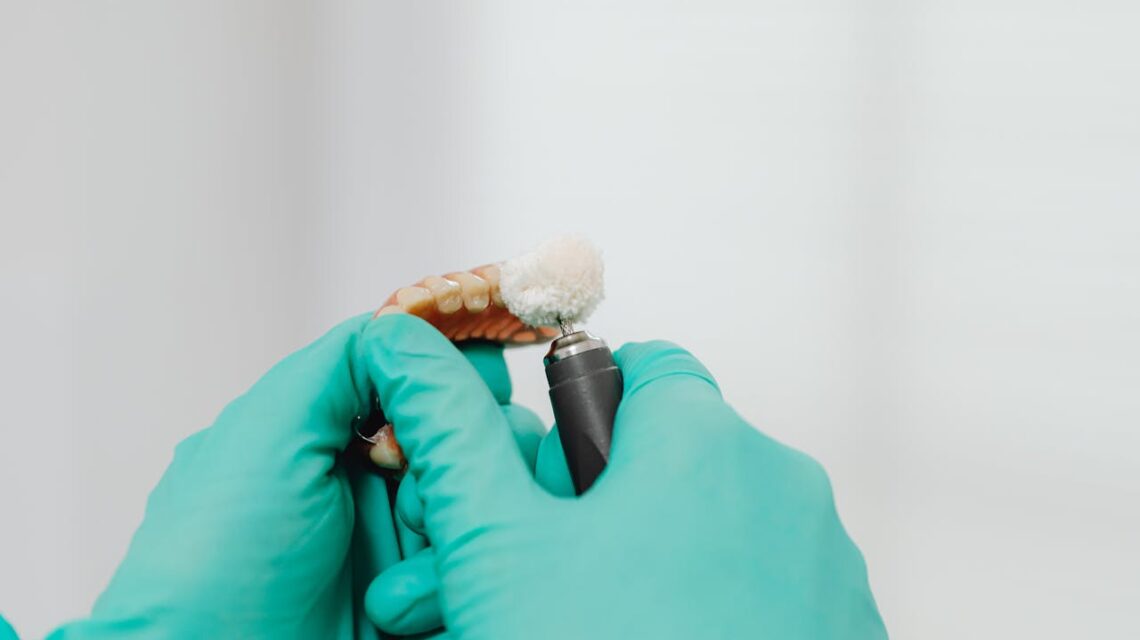
Adjusting to new dentures takes time. During the first few weeks, patients may notice changes in speech, eating, and comfort while their mouth adapts to the appliance. Minor soreness or pressure can occur but usually improves as the mouth adjusts. Regular follow-up visits help ensure dentures fit properly and remain comfortable for everyday use.
Getting dentures can be an important step toward restoring comfort, appearance, and the ability to eat normally after tooth loss. However, many patients wonder whether dentures will feel unusual at first or take time to adjust.
The short answer is that adjustment is normal. Like any dental appliance, dentures require a short adaptation period while your mouth and muscles learn to function with them.
For people researching tamworth dentures, understanding what the first few weeks are like can make the transition much less stressful.
The First Few Days With New Dentures
When dentures are first placed, they can feel unfamiliar. This does not mean something is wrong. Your mouth is simply adapting to the new shape and surface inside it.
Common early sensations include:
- Feeling that the dentures are bulky
- Increased saliva production
- Mild pressure on certain areas of the gums
- Slight changes in speech
These reactions are temporary and usually settle as your mouth becomes accustomed to the dentures.
Patients receiving treatment through Tamworth dentures are typically guided through the early adjustment period so they know what sensations are normal and when an adjustment may be helpful.
Learning to Speak With Dentures
One of the most noticeable changes during the first week is speech. Certain words may feel difficult to pronounce at first, especially sounds involving the tongue and front teeth.
This happens because the tongue needs time to adjust to the new position of the dentures.
Helpful ways to adapt include:
- Reading aloud for a few minutes each day
- Practising words that feel difficult
- Speaking slowly while adjusting
Most people find that their speech returns to normal within a short period as the muscles of the mouth adapt.
Eating With Dentures Takes Practice
Eating is another skill that improves with time.
During the first few weeks, dentists often recommend starting with softer foods while your mouth adjusts.
Examples include:
- Cooked vegetables
- Eggs
- Soft meats
- Pasta or rice
- Yoghurt
Taking smaller bites and chewing slowly can make eating more comfortable while you adapt.
Many people become more confident once they understand how everyday eating habits change after tooth loss and denture treatment, similar to the experiences described in can you eat normally with dentures.
Mild Soreness Can Occur
It is not unusual to experience small sore spots on the gums during the early stages of wearing dentures. These areas can develop as the denture base settles and your mouth adapts.
Dentists can easily adjust dentures if pressure points develop. Small modifications often make a significant difference in comfort.
If soreness continues or worsens, it is important to schedule a review appointment so the denture fit can be evaluated.
Why Follow Up Appointments Are Important
Follow up visits play an important role in ensuring dentures remain comfortable and stable.
During these visits, the dentist may:
- Check the overall fit of the dentures
- Adjust areas causing pressure
- Evaluate how the dentures function while speaking and chewing
Over time, the shape of the gums can change slightly after teeth are removed. Adjustments help maintain comfort and proper function.
Patients who attend regular reviews often find the adjustment period much smoother.
Caring for Dentures During the Adjustment Period
Proper denture care helps maintain both oral health and the longevity of the appliance.
Key habits include:
- Cleaning dentures daily
- Removing them at night unless advised otherwise
- Rinsing them after meals
- Keeping the mouth and gums clean
Even without natural teeth, maintaining healthy oral tissues remains essential. Dentures rest on the gums, so good hygiene helps prevent irritation or infection.
Many patients are surprised to learn how everyday routines such as brushing, cleaning dental appliances, and attending routine visits work together with professional care. Understanding how daily habits at home work alongside preventative dentistry can help people protect long term oral health while wearing dentures.
Regular visits through preventative dentistry in Tamworth allow dentists to monitor gum health, denture fit, and overall oral conditions over time.
Dentures and Long Term Oral Health
Dentures do more than replace missing teeth. They help support facial structure, improve speech, and allow people to eat a wider variety of foods.
Replacing missing teeth also plays an important role in maintaining everyday oral function. When damaged or missing teeth are restored, activities such as chewing and speaking become easier and more comfortable.
Many restorative treatments focus on rebuilding damaged teeth and restoring oral function, which is explained in greater detail in restorative dentistry and the benefits of repairing damaged teeth.
Other Options for Replacing Missing Teeth
While dentures are a common solution, some patients may explore other options depending on their oral health and treatment goals.
Some people consider dental implants as an alternative for replacing missing teeth. Dental implants support replacement teeth directly within the jawbone and are designed to function similarly to natural teeth.
Patients interested in understanding how implants work often explore the treatment process described in understanding dental implants as a permanent solution for missing teeth.
When to Contact Your Dentist
While some adjustment is expected, certain symptoms should be evaluated by a dentist.
These include:
- Persistent pain or pressure
- Dentures that feel loose or unstable
- Difficulty chewing after the adjustment period
- Cracks or visible damage to the denture
Addressing these concerns early helps ensure dentures remain comfortable and functional. If discomfort suddenly worsens or a denture becomes damaged, urgent care may be needed, similar to situations discussed in emergency dental care and when urgent treatment is required.
Adjusting to Dentures Takes Time
Most patients adapt to dentures successfully within a few weeks. The key is patience and regular communication with your dentist during the adjustment period.
Dentures are designed to restore everyday activities such as eating, speaking, and smiling with confidence.
For patients considering Tamworth dentures, understanding the adjustment process can make the transition much easier and help set realistic expectations for the first few weeks of wear.
Frequently Asked Questions
How long does it take to adjust to dentures?
Most patients adapt within a few weeks. Minor speech changes or sore spots can occur early but usually improve as the mouth adjusts.
Is it normal for dentures to feel loose at first?
Dentures may feel unfamiliar initially. However, they should still feel stable. If dentures move significantly or cause discomfort, your dentist may recommend adjustments.
Should dentures be worn all day at first?
Your dentist will provide specific instructions, but many patients are advised to wear dentures during the day while the mouth adapts.
Do dentures need adjustments over time?
Yes. As the shape of the gums changes, dentures may need periodic adjustments to maintain comfort and function.
Disclaimer: This article discusses common experiences patients may have while adjusting to new dentures. The time required to adapt to dentures can vary depending on oral health, gum condition, and denture fit. If discomfort, soreness, or difficulty eating continues beyond the initial adjustment period, a qualified dental professional should evaluate the dentures and provide personalised advice.